
Best Energy Saving Window Coverings
Summer afternoons in Houston can turn a bright living room into the hottest spot in the house. If your AC runs nonstop, certain rooms feel warmer than others, or glare makes it hard to enjoy your own space, the best energy saving window coverings can make a real difference.
The right window treatment does more than finish a room. It helps block solar heat, reduce UV exposure, improve insulation, and give you better control over light and privacy. For homeowners in Porter, Houston, and nearby communities, that matters because energy efficiency is not just about utility bills. It is also about comfort, furniture protection, and making your home easier to live in every day.
What makes window coverings energy efficient?
Energy-efficient window coverings work by slowing heat transfer at the glass. In hot climates, that usually means reducing how much solar heat enters the home during the day. In cooler months, some products also help hold conditioned air inside by adding a layer of insulation.
Not every product does this the same way. Some are designed to reflect sunlight before it enters the room. Others trap air between the fabric and the window. Some focus on reducing glare while still letting in natural light. The best choice depends on your windows, your home’s sun exposure, and how you use each room.
A west-facing game room with intense afternoon sun needs a different solution than a shaded bedroom or a front room where you want privacy and curb appeal. That is why custom measurement and product guidance matter. A beautiful treatment that does not fit correctly can leave light gaps, reduce performance, and fall short on comfort.
Best energy saving window coverings for Texas homes
For most homeowners, there is no single product that wins in every situation. The best energy saving window coverings are the ones that match your heat exposure, design goals, and daily routine.
Cellular shades for insulation
Cellular shades are one of the strongest choices for insulation. Their honeycomb-shaped pockets trap air, which helps create a barrier between the window and the room. That can make a noticeable difference in spaces that heat up fast or feel drafty.
They are especially useful in bedrooms, upstairs rooms, and living spaces with large windows. Homeowners often choose them when they want a clean look and better temperature control without heavy fabric. Light-filtering options soften harsh daylight, while blackout styles help with sleep and media rooms.
The trade-off is style preference. Cellular shades lean more modern and understated than decorative drapery or shutters. If your priority is layered design, they may work best paired with side panels rather than used alone.
Solar shades for glare and heat control
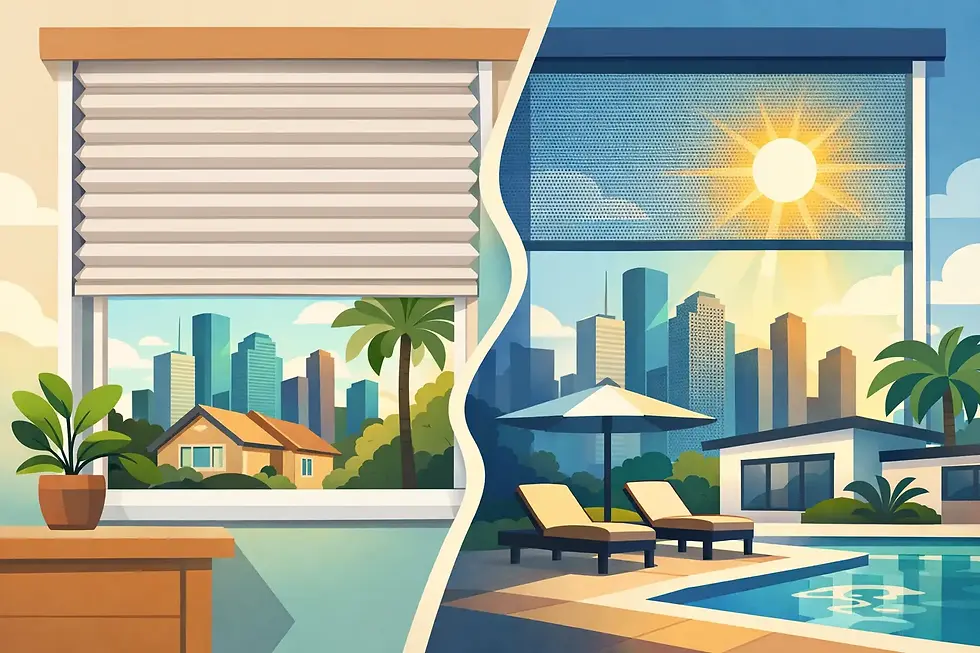
Solar shades are a smart option for homes that get strong sun but still want to keep the view. These shades are designed to reduce glare and filter UV rays while letting in a level of natural light. In Texas homes with large picture windows or backyard-facing glass, that balance can be a big advantage.
They perform especially well in living rooms, offices, and open-concept spaces where heavy blackout treatments would feel too closed in. The openness factor matters here. A lower openness blocks more sun and glare, while a higher openness preserves more of the outside view.
The trade-off is privacy at night. During the day, solar shades can give you a comfortable, filtered look. At night, when interior lights are on, you may need a secondary treatment if privacy is a concern.
Plantation shutters for long-term value
Shutters are one of the most durable and visually polished options for energy-conscious homeowners. When fitted well, they add another barrier at the window and help manage sunlight throughout the day. Adjustable louvers also make it easy to control brightness without fully closing off the room.
They are a strong fit for homeowners who want a permanent, high-end look with practical performance. Shutters work well in front rooms, dining areas, and primary bedrooms, especially when curb appeal is part of the goal.
The trade-off is budget. Shutters are often a bigger upfront investment than many shades or blinds, but they bring lasting value, durability, and a premium custom finish.
Drapes and curtains for added insulation
Well-made drapes can help with energy efficiency, especially when they are lined, fuller in width, and installed to cover the window properly. They create a buffer between the glass and the room, which can soften heat gain and improve comfort.
This option is ideal for homeowners who want softness, color, and decorative impact. In formal living rooms, bedrooms, and layered interiors, drapes can improve both the look and the function of the space.
The key is fit and fabric. Thin decorative panels will not perform like lined drapery designed with energy savings in mind. If your goal is serious heat control, drapes are often strongest when paired with another product such as roller shades or cellular shades.
Roller shades with performance fabrics
Roller shades are popular for their clean lines and easy operation, and some performance fabrics are specifically built to help with heat and UV control. They are a strong choice for homeowners who want a simple, modern appearance with practical light management.
Motorized options add convenience in rooms with tall windows or hard-to-reach areas. They also make it easier to adjust shades throughout the day, which can improve energy performance simply because the coverings are used more consistently.
The trade-off is insulation. Standard roller shades are often more effective at managing glare and sunlight than providing the same insulating benefit you get from cellular shades.
Solar screens for exterior heat reduction
For homes in the Houston area, solar screens deserve serious attention. Because they are mounted on the exterior, they help stop a portion of the sun’s heat before it reaches the glass. That can be a major benefit on windows with intense direct exposure.
They are especially useful on west-facing and south-facing windows where the sun is strongest. Homeowners often notice improved comfort, less glare, and reduced strain on cooling systems during the hottest months.
The trade-off is appearance and view. Solar screens can change the exterior look of the home and may slightly affect outward visibility depending on the material. Still, for many Texas homeowners, the performance is worth it.
How to choose the best energy saving window coverings
Start with the room, not the product. Ask which spaces feel hottest, which windows get the strongest sun, and where privacy matters most. This helps narrow the field quickly.
If insulation is the priority, cellular shades are often the first place to look. If preserving the view matters, solar shades may be the better fit. If you want a long-term architectural upgrade, shutters are hard to beat. If your home needs maximum sun control on exposed windows, solar screens can be one of the most effective solutions.
Design should stay part of the conversation. A treatment that saves energy but fights the style of your home is rarely the right answer. The best results come from balancing performance, appearance, and budget.
That is also where custom service pays off. Proper measuring, product selection, and professional installation help eliminate gaps, improve operation, and make sure the final result looks intentional. You should not have to guess your way through fabric types, openness factors, mount styles, or motorization options.
Why custom window treatments often outperform off-the-shelf options
Energy efficiency depends on more than the label. Fit matters. Coverage matters. Installation matters.
Off-the-shelf products can leave side gaps, sit too short, or fail to cover the full glass area. That may not seem like a big issue at first, but when strong Texas sunlight is hitting your windows every day, those small gaps add up fast.
Custom window coverings are built for your actual window dimensions and your specific goals. They also give you more control over materials, colors, light filtration, and operating systems. For homeowners who want a premium look without the premium price tag, that tailored approach usually delivers better performance and a cleaner finish.
A smart investment for comfort and lower energy use
The best energy saving window coverings are not just about lowering a bill by a few dollars. They help make your home more comfortable in the hours when heat and glare are at their worst. They protect flooring and furniture from UV damage. They give you more control over how each room feels and functions.
For many homeowners, the best answer is not one treatment throughout the whole house. It is a mix - shutters in the front, solar shades in the living room, blackout cellular shades in bedrooms, and solar screens where the sun hits hardest. That kind of tailored plan gives you better results than a one-size-fits-all purchase.
If you are ready to improve comfort, reduce harsh sunlight, and choose window treatments that work as hard as they look good, a professional consultation can help you get there faster. The right solution should fit your windows, your style, and the way your home lives day to day. That is where thoughtful design starts paying you back.


Comments