
Faux Wood Blinds Buyers Guide for Houston Homes
A west-facing Houston window can turn a beautiful room into the hottest seat in the house by midafternoon. That is where this faux wood blinds buyers guide begins: not with a catalog, but with the way your home actually feels when the sun is high, the AC is working overtime, and privacy matters.
Faux wood blinds bring the classic, tailored look of painted wood to windows that need a more moisture-resistant, low-maintenance solution. They can suit a family room, kitchen, bedroom, or bath with the same clean visual weight, often at a friendlier price than real wood. The right choice depends on your windows, your light exposure, and the finish details that make the blind look like it belongs in the room.
Why Faux Wood Blinds Work So Well in Texas Homes
Faux wood blinds are typically made from PVC, composite materials, or a blend of engineered materials. Their biggest advantage is durability. Unlike natural wood, they are less likely to warp, crack, or fade when exposed to humidity and heat. That makes them especially practical near Houston-area kitchens, bathrooms, laundry rooms, and sun-filled windows.
They also deliver a substantial, architectural look. Wide horizontal slats give a window more presence than lightweight vinyl blinds, while the tilt function gives you control over glare without closing the room off from daylight. Open the slats upward to soften direct sun while maintaining privacy, or close them fully when you need a darker, more sheltered space.
There is a trade-off. Faux wood is usually heavier than real wood, particularly on large windows. A quality headrail, properly selected lift system, and professional installation matter more as the blind gets wider or taller. Very oversized windows may need multiple blinds for easier operation and a cleaner long-term result.
A Faux Wood Blinds Buyer's Guide to Materials and Slats
Not all faux wood blinds perform the same way. Entry-level options can look appealing at first but may have thinner slats, less reliable cords, and hardware that struggles over time. For a custom finish, pay attention to the components you will use every day, not just the color sample.
Choose a finish that works with your room
White and soft white remain popular because they keep rooms bright, work with most trim colors, and create a crisp, built-in appearance. But faux wood blinds are not limited to white. Warm neutrals, grays, and wood-grain finishes can complement flooring, cabinetry, and furniture without competing with them.
A wood-grain faux finish can add warmth where real wood would be risky, such as a humid bathroom or a kitchen window over the sink. If your home has white trim, matching the blind closely to the trim usually creates the most polished result. If you want the blinds to stand out as a design element, choose a contrasting color with intention rather than settling for a near-match.
Consider slat size before you order
Two-inch and 2.5-inch slats are common choices. Two-inch slats have a more traditional profile and can feel proportionate on standard-size windows. The wider 2.5-inch option offers a bolder, shutter-inspired look and a more open view when the blinds are raised or tilted.
Larger slats also stack higher at the top of the window when fully raised. That may not matter in a room with plenty of glass, but it is worth considering if you have a short window, a transom, or a view you want to preserve. Seeing the window in person helps determine which proportion will look right.
Match the Blind to How You Use the Room
The best window treatment is not necessarily the same in every room. Faux wood blinds are flexible, but the priorities change from space to space.
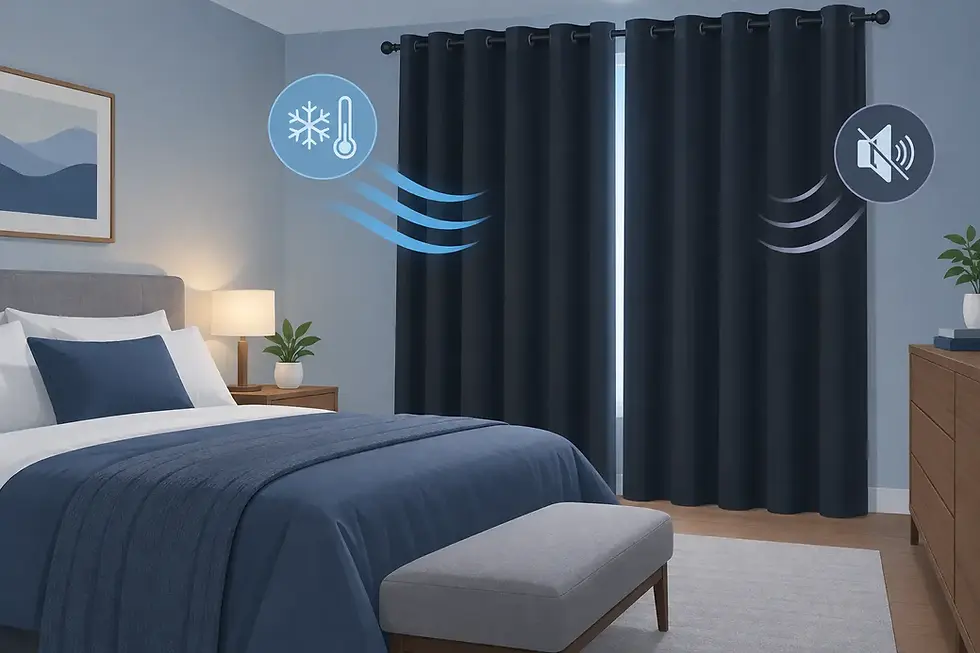
In bedrooms, privacy and room darkening often come first. Faux wood blinds close tightly, but small light gaps are normal around the slats and edges. If you need near-total darkness for a nursery, a media room, or a shift-work schedule, pair the blinds with drapery panels or consider a room-darkening shade for that specific window.
In living rooms and dining areas, light control is usually the deciding factor. Blinds let you adjust direct sunlight throughout the day instead of choosing between fully open and fully closed. This makes them a strong option for rooms with televisions, artwork, wood floors, or furniture that can be affected by harsh afternoon sun.
For bathrooms and kitchens, moisture resistance and easy cleaning take the lead. Faux wood is a smart fit because it can be wiped down with a soft cloth or lightly dusted. Avoid harsh cleaners and abrasive pads, which can dull the finish or damage the slat surface.
Get the Fit Right: Inside Mount or Outside Mount
Measurements determine whether custom blinds look tailored or merely installed. An inside mount sits within the window frame, creating a neat, recessed look. It is ideal when your window has enough depth and the frame is square enough to accommodate the blind.
An outside mount sits above and beyond the window opening. It can make a small window appear larger, cover shallow frames, and reduce light gaps at the sides. Outside mount blinds are also useful when the window frame has handles, cranks, or trim that interfere with an inside installation.
This is one area where guessing can become expensive. Window openings are rarely perfectly square, and even a small measuring error can affect function, light control, and appearance. A professional measure also identifies obstacles such as alarm sensors, plantation shutters nearby, molding, or window cranks before the order is placed.
Select a Lift System for Safety and Convenience
Traditional corded blinds remain familiar, but many homeowners now prefer cordless operation. A cordless system creates a cleaner appearance and removes dangling cords from the room, which is especially valuable in homes with young children or pets.
Motorized blinds offer another level of convenience for high windows, hard-to-reach areas, and rooms with several windows. They can also make daily light control easier: lower blinds during the strongest afternoon sun, then raise them again when the room cools. Motorization adds to the investment, so it makes the most sense where it solves a real access or comfort problem.
Before choosing a lift option, think about who uses the window and how often. A guest room may not need the same system as a primary bedroom or a family room with large, sun-facing windows.
Ask What Is Included in the Quote
A low advertised price does not always reflect the final installed cost. Custom blinds should be evaluated as a complete service, including the product, exact measurements, mounting hardware, installation, and warranty coverage.
When comparing quotes, ask these practical questions:
Is the blind made to the exact window measurements?
What material, slat thickness, and headrail are included?
Does the quoted price include professional installation?
What is the warranty on the blind and operating mechanism?
How will large or unusually shaped windows be handled?
The value is not simply in paying less. It is in getting a blind that operates smoothly, fits cleanly, and continues to look good through Houston heat and everyday use.
Bring Design and Comfort Together
Faux wood blinds can stand on their own for a clean, classic look, or they can serve as the functional layer beneath curtains, valances, or decorative side panels. This layered approach gives you adjustable privacy and glare control while adding softness, color, and personality to the room.
For homeowners who want custom guidance without luxury showroom pressure, A Lone Star Blinds can help evaluate color, mount type, light exposure, and operating options in the home itself. A consultation is often the easiest way to compare samples against your wall color, trim, and natural light before making a decision.
Choose faux wood blinds for the windows that need dependable performance, then tailor the details to the way you live. The right material, fit, and lift system can make a daily difference every time the Texas sun reaches the glass.


Comments