
Blackout Curtains for Cooler, Quieter Bedrooms
That 5 a.m. Texas sun can turn a comfortable bedroom into a bright, warm room before the alarm ever goes off. Blackout curtains give homeowners a more comfortable way to manage harsh light, rising indoor heat, and privacy without sacrificing the finished look of their space. When selected and installed correctly, they can make a nursery darker for naps, a media room more enjoyable, and a primary bedroom feel like a real retreat.
For Houston and Porter-area homes, the difference is rarely just the fabric. The right coverage, lining, hardware, and measurements determine whether a curtain simply looks dark or actually blocks the light that slips in around the edges.
What Blackout Curtains Actually Do
Blackout curtains are designed with a dense light-blocking lining or tightly woven backing that limits the amount of sunlight passing through the fabric. They are a strong choice for bedrooms, nurseries, media rooms, home offices, and any space where glare or outside visibility is a daily frustration.
Their most noticeable benefit is a darker room. That can support better sleep for shift workers, young children, and anyone who prefers not to wake with the sunrise. But the practical value goes further. A well-fitted blackout panel can also reduce glare on screens, soften outside noise, and help insulate a window from radiant heat and temperature changes.
They are not a substitute for a full insulation upgrade, and no fabric panel can make a room completely soundproof. Still, covering a large expanse of glass with a properly lined treatment can make a meaningful difference in comfort. In a climate where windows can pour heat into a room for much of the year, that added layer matters.
Blackout Curtains vs. Room-Darkening Curtains
These terms are often used interchangeably, but they do not always provide the same result. Room-darkening curtains reduce light noticeably, yet some daylight can still pass through the fabric. They work well in living rooms or bedrooms where homeowners want softer morning light rather than near-total darkness.
Blackout curtains are the better choice when light control is the priority. They are especially effective for bedrooms facing east or west, rooms with streetlights outside, and media spaces where glare interrupts the picture. The trade-off is that a true blackout treatment can make a room feel darker even during the day, so it helps to pair it with a flexible option, such as a sheer, a shade, or panels that can be opened wide.
A design consultation makes this decision easier. You do not have to choose between a beautifully dressed window and practical light control. The right layered treatment can provide both.
The Fit Matters as Much as the Fabric
Homeowners sometimes buy blackout panels, hang them just above the window, and wonder why sunlight still appears around every side. Most light leaks occur at the top, sides, and bottom of the treatment, not through the blackout material itself.
For better coverage, curtains should generally extend beyond the window frame on both sides and be mounted high enough to reduce the gap above the glass. A wider rod allows panels to stack off the window when open, preserving the view and letting in natural light when wanted. Panels should also have enough fullness to hang beautifully instead of looking stretched flat.
Floor-length panels often create the most polished appearance and offer better coverage than short curtains. In a bedroom, an overlapping center closure or a wraparound rod can further limit side gaps. For homeowners who want the strongest possible room-darkening effect, combining blackout drapery with an inside-mounted blackout shade can be a smart solution.
This is where professional measuring pays off. Every window has small differences in trim, depth, nearby furniture, ceiling height, and operating clearance. Custom planning helps avoid an expensive treatment that is almost right but never performs the way it should.
Choosing a Style That Belongs in Your Home
Blackout does not mean heavy, plain, or hotel-like. Today’s blackout curtain options include soft linen looks, textured woven fabrics, tailored solids, subtle patterns, and colors ranging from warm neutrals to rich statement tones. The light-blocking layer can sit behind a decorative face fabric, so homeowners can choose a style based on the room rather than settling for a limited selection.
In a modern Houston home, clean panels in a soft neutral can frame large windows without competing with the rest of the design. In a traditional space, fuller drapery with pleated headers can add warmth and structure. A child’s room may benefit from a more playful fabric on the front with a dependable blackout lining behind it.
The header style also changes the look. Grommets create a casual, even ripple. Pinch pleats offer a more tailored finish. Ripplefold panels bring a clean, contemporary line that works beautifully with wide windows and sliding glass doors. The best option depends on how formal the room feels, how frequently the curtains will be opened, and whether the hardware should blend in or make a statement.
Where Blackout Treatments Make the Biggest Difference
Bedrooms are the obvious starting point, especially those that get direct morning or afternoon sun. Yet several other spaces can benefit just as much. A nursery becomes easier to use around nap schedules. A media room gains better screen visibility. A home office feels more focused when glare is controlled during video calls and computer work.
For living rooms with large, sun-facing windows, full blackout may not be necessary all day. In those spaces, homeowners often prefer blackout drapery panels layered over solar shades or light-filtering shades. The shade can handle daytime glare while preserving some daylight and outside visibility. The drapery closes in the evening for privacy, warmth, and a more finished design.
That layered approach gives you choices instead of forcing one treatment to do every job. It is particularly useful in Texas homes, where the same window may need glare control at noon, privacy at night, and a wide-open view on a cloudy morning.
Don’t Overlook Energy Comfort and Privacy
Windows are a major source of heat gain, particularly on south- and west-facing walls. Blackout curtains can help limit the heat you feel near the glass by adding a buffer between the room and the window. The effect depends on the fabric, lining, fit, and how consistently the panels stay closed during the hottest hours, but it can make sun-heavy rooms more pleasant.
Privacy is another reason to consider them. After sunset, interior lights make it easy to see into a home with uncovered windows. Blackout-lined panels provide dependable nighttime coverage, whether the room faces a neighbor, a busy street, or a backyard gathering area.
For maximum daytime heat control, solar screens, solar shades, or cellular shades may be part of the conversation too. Each option performs differently. Curtains add softness and decorative presence, while shades and screens can offer a sleeker profile. A local window-treatment professional can help match the solution to your windows, budget, and lifestyle rather than pushing a one-size-fits-all answer.
A Better Way to Plan Your Window Treatment
Before choosing fabric, think about how the room is used. Do you need darkness for sleep every night, or only occasional glare reduction? Do you want the panels to open and close daily? Is the window behind a bed, sofa, or desk? These details influence the right mounting style, fabric weight, and operating system.
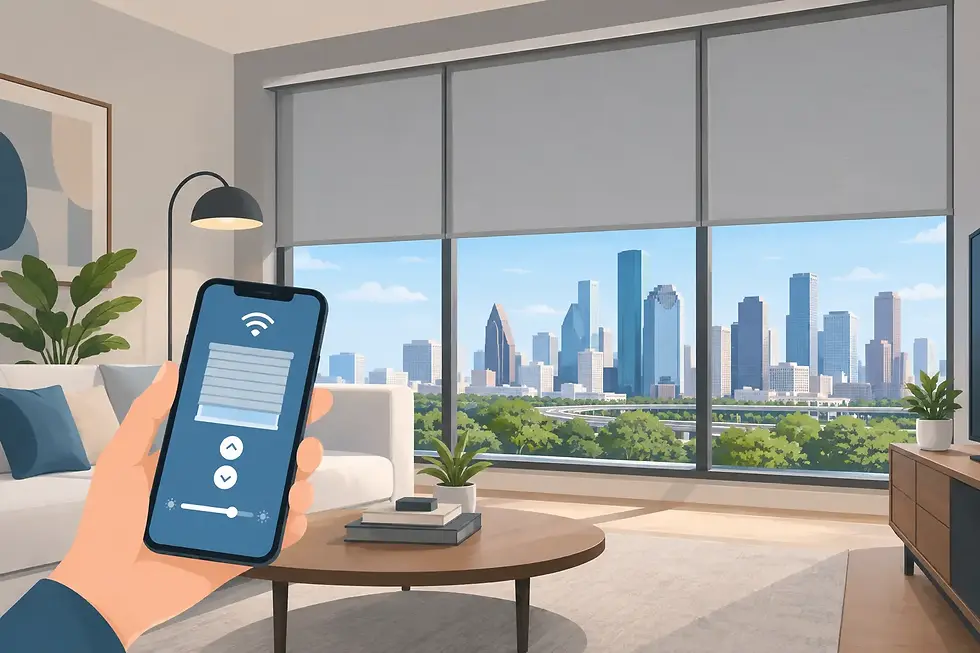
Motorized blackout curtains or shades are worth considering for tall windows, hard-to-reach locations, and busy family routines. With the right setup, a room can be darkened at bedtime or opened in the morning without pulling cords or adjusting multiple panels. Cordless options also create a cleaner look and are a thoughtful choice in homes with children and pets.
At A Lone Star Blinds, homeowners can get guidance where it matters most: in the actual room, with the actual light, wall colors, furniture, and window dimensions in view. Professional measuring, product selection, and installation help turn a good idea into a treatment that fits beautifully and works every day.
A darker room should never require settling for a darker design. Request a personalized quote and let your windows do more for your comfort, privacy, and home.


Comments