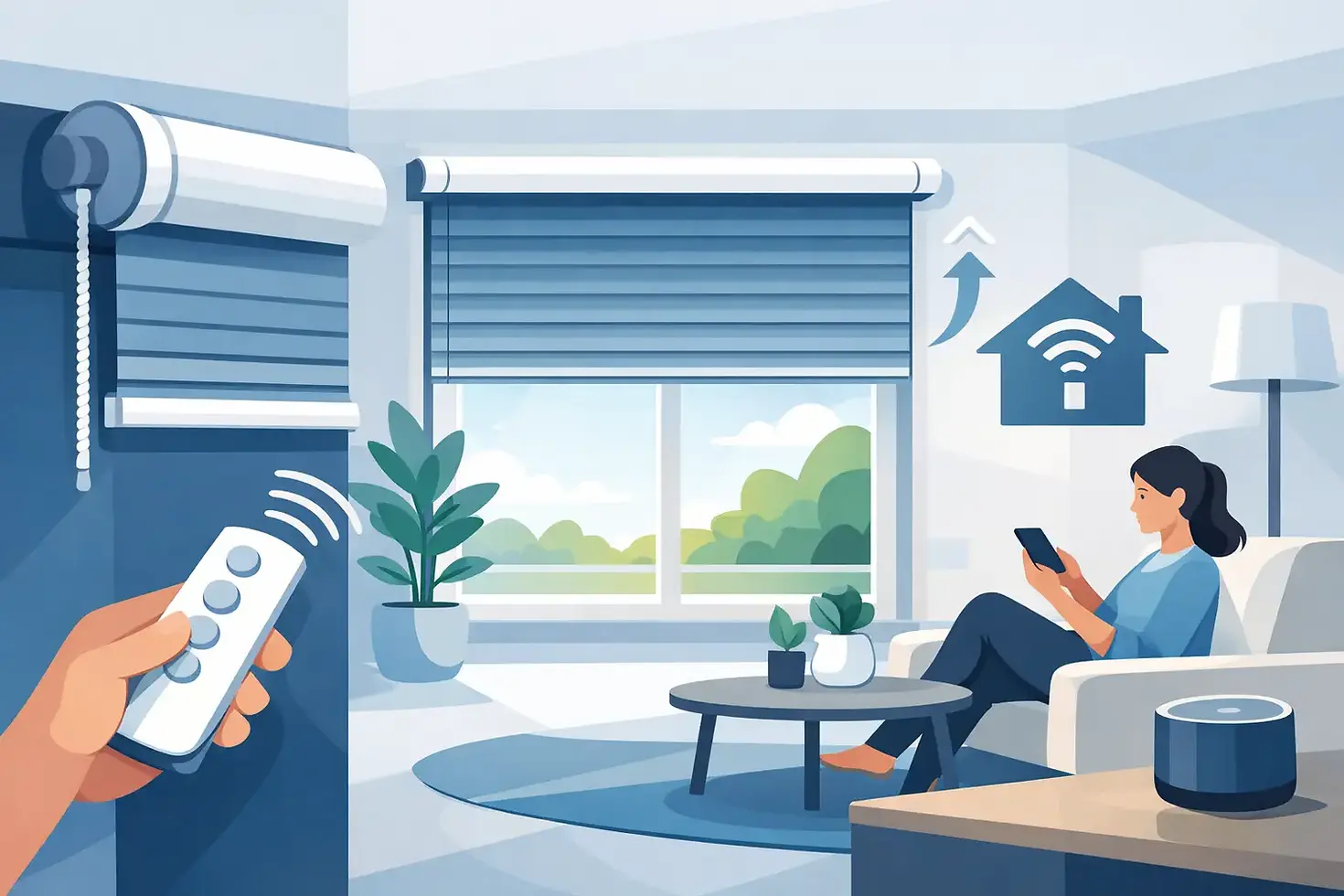
Motorized Automated Window Blinds at Home
By 3 p.m. in a Houston-area home, the sun can turn one room into a bright, overheated hotspot while the rest of the house feels fine. That is exactly why more homeowners are asking about motorized automated window blinds. They are not just a modern upgrade for the sake of technology. They solve everyday problems - harsh glare on screens, fading furniture, hard-to-reach windows, and the constant back-and-forth of opening and closing blinds by hand.
For many families, the appeal starts with convenience. Tap a remote, use a wall control, or set a schedule, and your window coverings adjust without you stopping what you are doing. But convenience is only part of the story. When chosen well, motorized blinds can improve privacy, support energy efficiency, and give a room a cleaner, more custom finish than cords and uneven slats ever could.
Why motorized automated window blinds make sense in Texas homes
Homes in Porter, Houston, and nearby communities deal with intense sunlight for much of the year. That means your window treatments do more than decorate a room. They help manage heat, protect interiors, and create comfort throughout the day.
Motorization is especially useful when sunlight changes quickly from morning to afternoon. A breakfast nook may need filtered light early, while a west-facing living room may need stronger coverage later in the day. Instead of manually adjusting each window, you can program blinds to respond to your routine. That kind of control matters when you are trying to keep a home comfortable without relying so heavily on the thermostat.
There is also a safety and style advantage. Cordless operation gives the room a cleaner look, and for households with children or pets, removing dangling cords is a practical improvement. It is one of those upgrades that feels small at first, then quickly becomes part of how you want every room to function.
Where motorized blinds work best
Not every home needs automation in every window. The best results usually come from using it where it adds real value.
Living rooms with large front windows are a common starting point. These spaces often need a balance of daytime light, privacy, and design appeal. Motorized blinds make that balance easier to maintain, especially when windows are wide or tall.
Primary bedrooms are another strong fit. You can lower blinds at night without walking around the room, then let in natural light in the morning with one touch. For homeowners who want a more restful environment, that simple control can make the room feel more polished and more comfortable.
High windows, stairwells, and hard-to-reach openings are where automation becomes less of a luxury and more of a smart solution. If you need a ladder to adjust a shade, motorization is usually the better long-term choice.
Media rooms, home offices, and nurseries also benefit. In these rooms, light control tends to be less about appearance and more about function. Reducing glare, softening brightness, or darkening a room for naps becomes faster and more precise.
What to expect from the design side
One common misconception is that automated blinds look overly technical. In practice, the opposite is often true. Custom motorized options tend to look more refined because the hardware is discreet and the operation is smooth.
The key is selecting a style that fits the room instead of choosing motorization first and appearance second. Roller shades are a favorite for clean, modern spaces. Roman shades bring more softness and dimension. Motorized blinds with tilting slats can work well when homeowners want a more traditional look while still gaining automation.
Fabric, opacity, and color matter just as much as the motor itself. In a bright family room, solar or light-filtering materials can reduce glare without making the space feel closed off. In bedrooms, room-darkening options are often the better fit. The right recommendation depends on the window, the direction of sunlight, and how you actually use the room.
That is why custom measuring and consultation matter. A product that looks great online can perform poorly if the fit is off or the material does not match the space. A tailored approach helps avoid that guesswork.
Power options and practical trade-offs
When homeowners first hear about automation, they often ask the same question: how are these blinds powered?
Battery-powered systems are popular because they are clean and relatively simple to install. They work especially well in existing homes where opening walls for wiring is not ideal. Depending on usage and product type, batteries may last months or longer before needing replacement or recharging.
Hardwired systems appeal to homeowners building a new home, remodeling, or planning a larger smart-home setup. They can be a strong long-term option, but installation is more involved and usually makes the most sense when planned early.
There is no one right answer for every house. Battery solutions offer flexibility and less disruption. Hardwired systems reduce maintenance over time. What matters is choosing the option that fits the stage of your home and your budget.
Cost is another area where expectations should be realistic. Motorized automated window blinds do cost more than manual versions. The difference comes from the motor, controls, and installation requirements. But the value is not only in the feature itself. You are also paying for improved usability, a cleaner finish, and a more customized day-to-day experience.
For many homeowners, it makes sense to automate selected rooms first instead of every window at once. That approach keeps the project manageable while still delivering a noticeable upgrade where it matters most.
Motorized automated window blinds and energy efficiency
In Southeast Texas, window coverings can have a real effect on comfort. Direct sun raises indoor temperatures, strains cooling systems, and makes some rooms hard to enjoy during peak heat.
Automated blinds help by giving you more consistent light control. A blind that closes on schedule during the hottest part of the afternoon does more good than one that only gets adjusted when someone remembers. That consistency can help reduce solar heat gain and protect flooring, furniture, and fabrics from fading.
It depends, of course, on the material and the window exposure. A sheer shade will not block heat the same way a more protective fabric or solar-screen style product can. But when automation is paired with the right material, the comfort payoff is easy to notice.
This is where homeowners benefit from working with a local specialist. Sun exposure in Texas is not a minor detail. It should shape the recommendation from the start.
Why professional measuring and installation matter
Motorization adds precision, which means the basics have to be right. Accurate measuring, proper bracket placement, and correct setup all affect how well the blinds perform.
A shade that is slightly off can hang unevenly, leave larger light gaps, or operate less smoothly over time. With motorized products, setup also includes programming controls, pairing remotes, and making sure each unit responds as expected.
Professional installation removes a lot of frustration from the process. It also helps protect your investment. Custom blinds are meant to fit your windows and your daily routine, not become another weekend project that drags on longer than planned.
For homeowners who want premium style without premium markups, a full-service approach makes a difference. Companies like A Lone Star Blinds help simplify the process with design guidance, measuring, quoting, and installation, so you are not left piecing it together on your own.
Are they worth it?
If your current blinds are working fine in a low-traffic guest room, maybe not. If you are dealing with oversized windows, daily sun exposure, outdated coverings, or rooms that never feel quite comfortable, they are often worth serious consideration.
The real benefit is not the novelty of pushing a button. It is better control over light, privacy, and comfort in a home you use every day. Done well, motorization feels less like a gadget and more like a practical design upgrade.
If you are considering new window treatments, this is a smart time to think beyond color and fabric alone. Ask how each room should function, how much sunlight it gets, and which windows deserve a little more convenience. The right motorized solution should make your home look better, feel better, and work harder for you every day.



Comments